Owner-operators who depend on their diesel trucks for income need to know which repair problems are most likely to sideline them in 2026. Diesel truck repair issues rarely come without warning signs, and catching them early can mean the difference between a quick fix and a costly breakdown on the side of the highway. This is especially true for drivers running routes through Southern Utah, where desert heat, high elevation, and dusty terrain put extra stress on every major truck system.
Parowan, UT, sits along the I-15 corridor at an elevation of nearly 6,000 feet. Trucks climbing the grades near Paragonah, descending into the valley, or hauling freight through Iron County deal with conditions that accelerate wear on engines, cooling systems, and emissions components. Understanding the most common diesel truck repair problems in this region can help you stay ahead of trouble.
EGR System Failures
EGR stands for Exhaust Gas Recirculation. This system reduces emissions by routing exhaust gases back into the engine. It is one of the most common sources of diesel trouble.
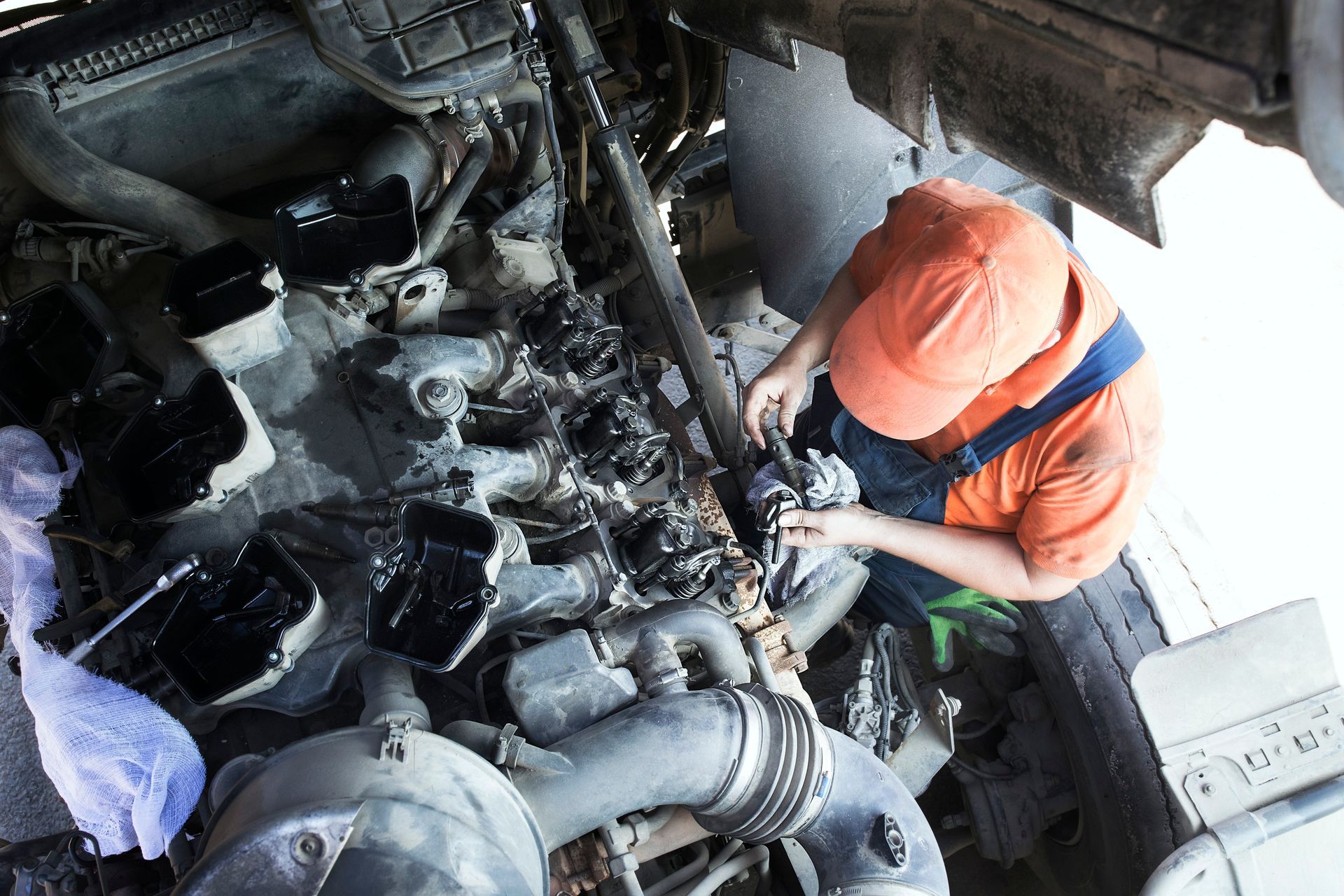
When the EGR valve clogs or fails, your truck may experience rough idling, reduced power, or increased fuel consumption. In dusty driving conditions common across Southern Utah, the EGR cooler can build up carbon deposits faster than average. Left alone, a failing EGR system can lead to turbo damage or engine overheating.
Signs to watch for include:
- A check engine light related to emissions codes.
- Excessive black or white smoke from the exhaust.
- Noticeable loss of power on grades or at highway speed.
DEF System Faults
DEF, or Diesel Exhaust Fluid, is required on most diesel trucks built after 2010. DEF system faults are among the most disruptive diesel truck repair issues an owner-operator can face.
A DEF system problem can trigger a derate, which limits your truck's power or speed until the issue is resolved. In desert heat above 90 degrees, DEF fluid can also degrade faster in poorly sealed tanks. Common causes of faults include a failed DEF injector, a clogged SCR catalyst, or a faulty NOx sensor.
Watch for these warning signs:
- A warning light labeled DEF or SCR on the dash.
- A countdown message warning of reduced speed.
- Unusual ammonia-like smell from the exhaust area.
Fuel Injector Wear
Fuel injectors deliver precise amounts of diesel into the combustion chamber. Worn or dirty injectors are a frequent diesel truck repair issue, especially in trucks with high mileage.
Injector problems often start small. You may notice hard starts on cold mornings, rough idling at a rest stop, or a drop in fuel economy. In the Southern Utah region, where elevation changes affect air-fuel ratios, injector performance issues can feel more pronounced on loaded hauls.
Common symptoms include:
- Engine misfires or rough running after a cold start.
- Black smoke under acceleration.
- Declining miles per gallon over several fill-ups.
Turbocharger Problems
The turbocharger forces extra air into the engine to improve power and efficiency. Turbo failures can develop gradually, so many owner-operators miss the early signs until the problem becomes serious.
Driving at sustained highway speeds on I-15 through Iron County puts steady demand on turbo components. Dusty desert air can wear turbo seals faster than in cleaner environments. Oil contamination, low oil pressure, and deferred oil changes are common root causes.
Symptoms of turbocharger trouble include:
- A noticeable whining or whistling sound under load.
- Blue or gray smoke from the exhaust at startup.
- Sluggish acceleration that worsens over time.
Cooling System Failures
Cooling system failures are a serious diesel truck repair concern, particularly in summer months across Southern Utah. The cooling system keeps the engine from overheating, and on a 100-degree day in Parowan, UT, it works much harder than usual.
Coolant leaks, a failing thermostat, or a clogged radiator can push engine temperatures into dangerous territory quickly. Trucks climbing elevation on Route 143 toward Brian Head or holding grades on I-15 near Beaver County are especially vulnerable. An overheated diesel engine can cause catastrophic internal damage if the truck is not stopped promptly.
Watch for these cooling system warning signs:
- Temperature gauge climbing toward the red zone.
- Coolant puddles under the truck after parking.
- A sweet or syrupy smell near the engine bay.
What Are the Most Common Diesel Truck Repair Problems in 2026?
The most common problems include EGR system clogs, DEF system faults, worn fuel injectors, turbocharger failures, and cooling system issues. All of these can be caught early with regular inspections and engine diagnostics.
How Does Southern Utah's Climate Affect Diesel Trucks?
Desert heat, high elevation, and dusty road conditions common in Southern Utah accelerate wear on emissions systems, turbo seals, and cooling components. Trucks operating along the I-15 corridor near Iron County may face these issues more frequently than those in milder climates.
How Often Should a Diesel Truck Be Inspected to Prevent Major Repairs?
Most diesel truck experts recommend a thorough inspection every 10,000 to 15,000 miles, or whenever a warning light appears. Routine maintenance can catch developing problems before they become expensive breakdowns.
Get Expert Diesel Truck Repair Serving Parowan, UT
Owner-operators running loads through Southern Utah deserve fast, knowledgeable service that keeps their rigs on the road. Color Country Diesel provides professional
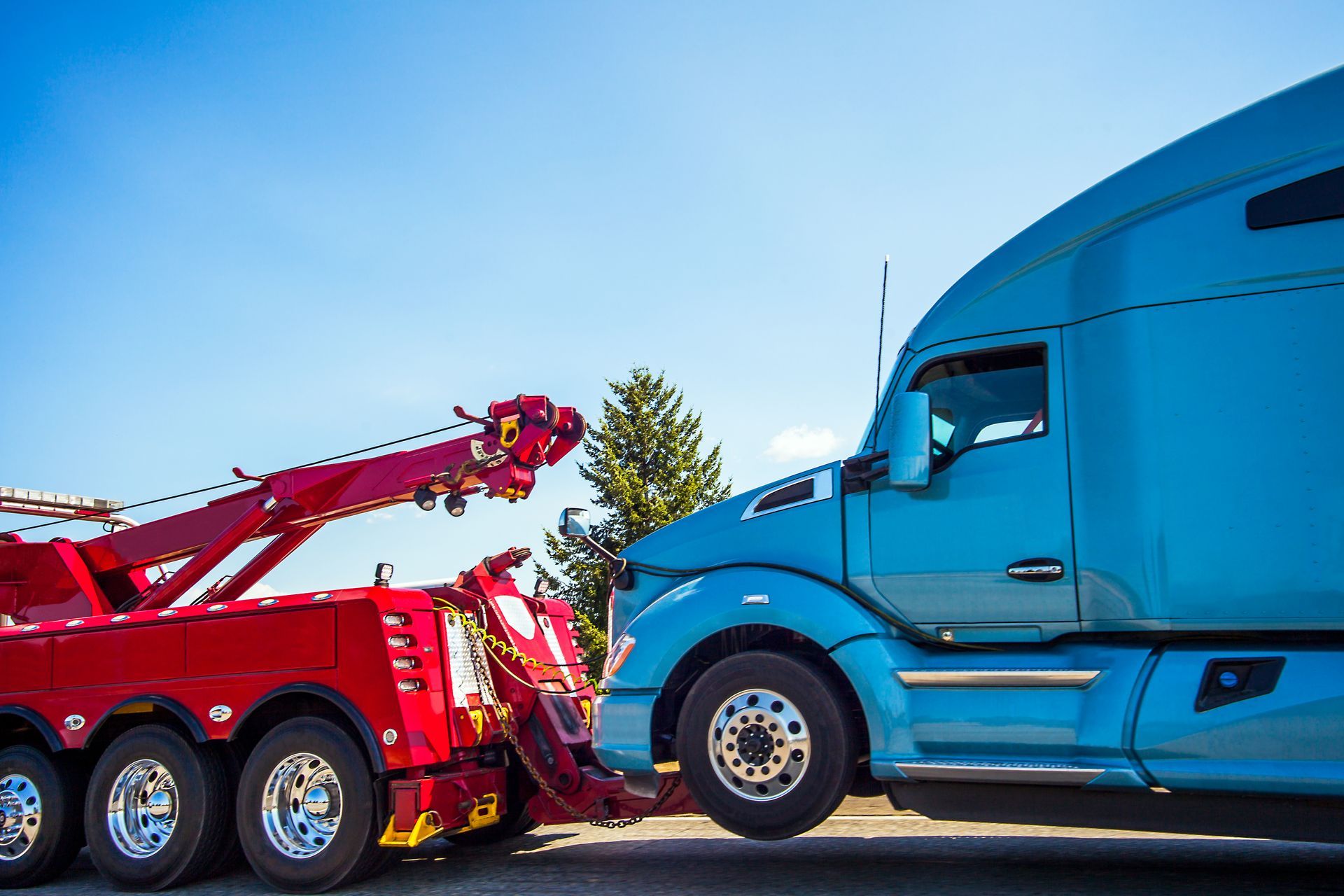
commercial truck repair and mobile roadside repair for drivers throughout the I-15 corridor and surrounding areas.
Whether you are dealing with a DEF fault code on the highway or a cooling system warning light before a grade, the team is equipped to diagnose and repair the problem efficiently. Call
435-586-3205 or
contact the team online to schedule service or request emergency roadside assistance. Find
Color Country Diesel on Google Maps for directions and current hours.