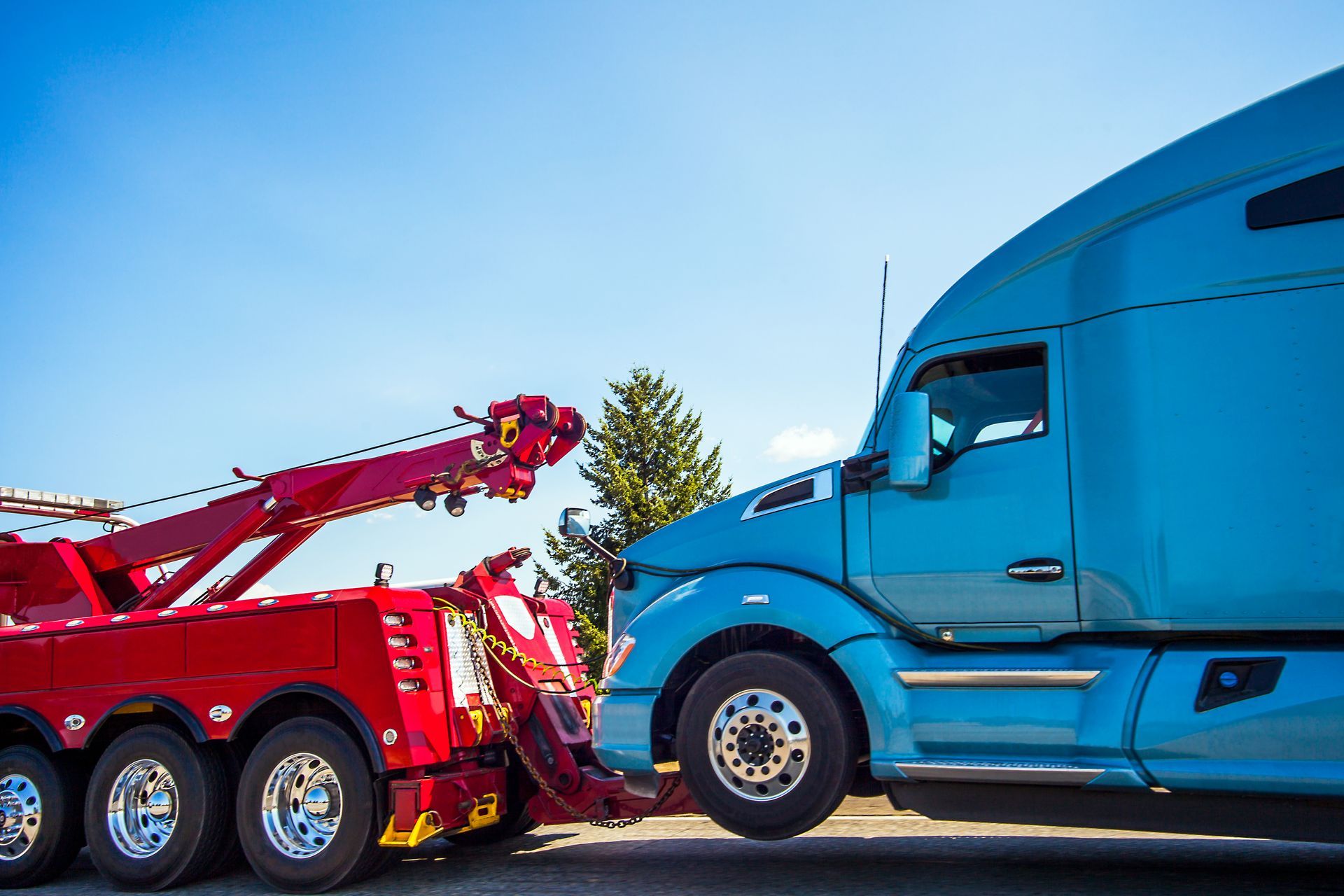
Truck drivers running I-15 through southern Utah face a real choice when something goes wrong: call a mechanic or call a tow truck. This guide explains the difference, what each option is best for, and how 2026 DEF and emissions changes affect that decision for drivers working the Enoch and Cedar City corridor.
What a Mobile Diesel Mechanic Can Fix on the Spot
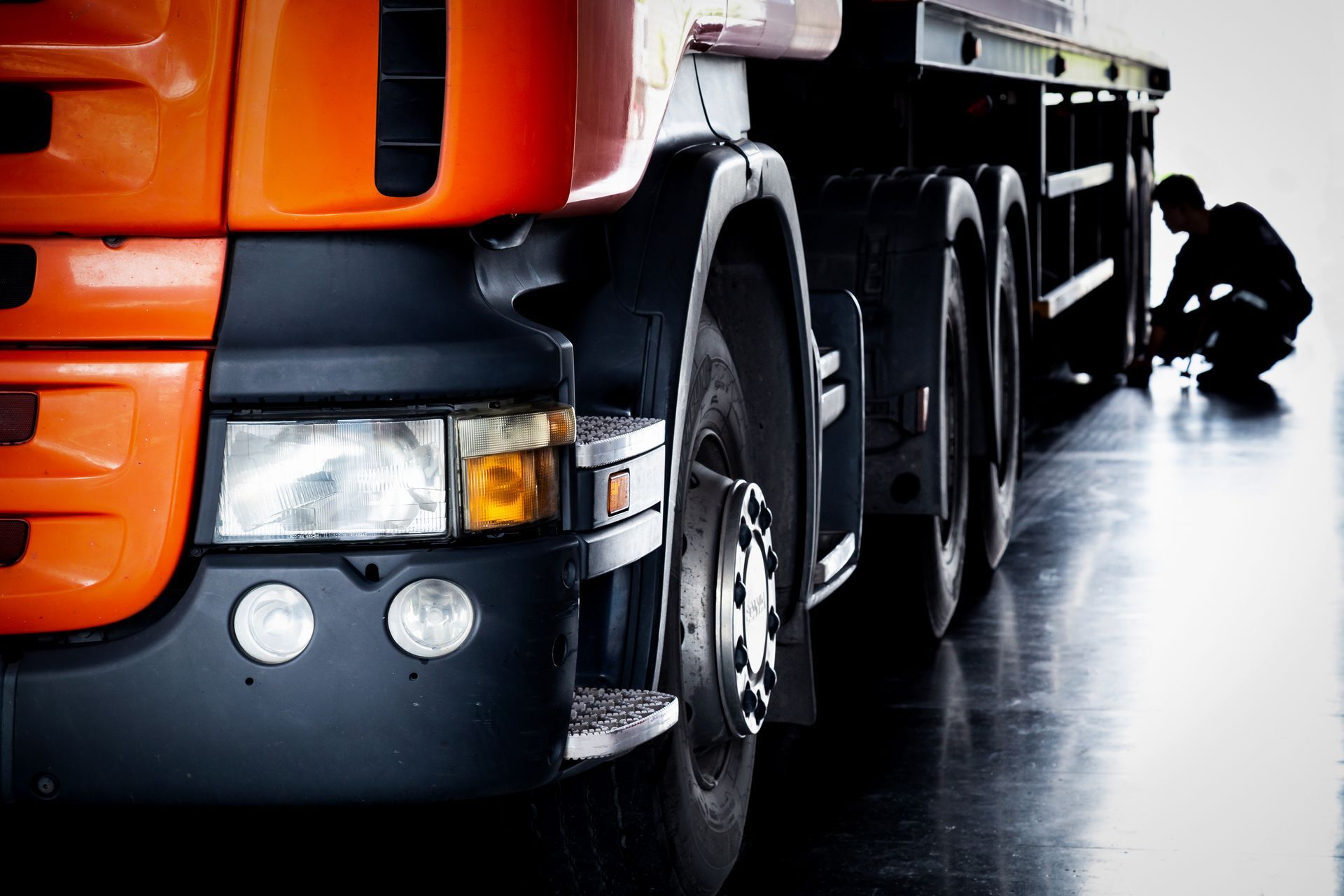
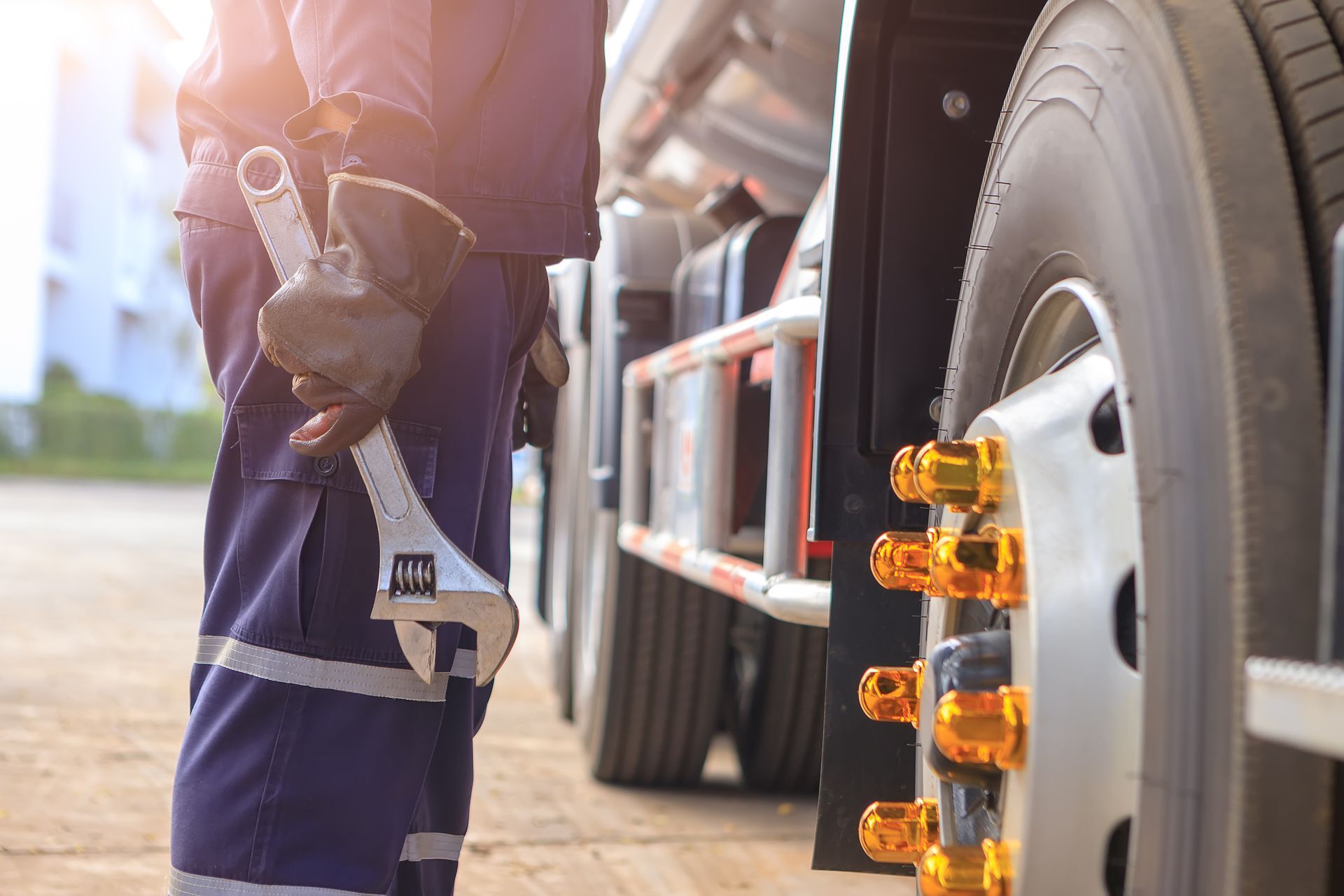
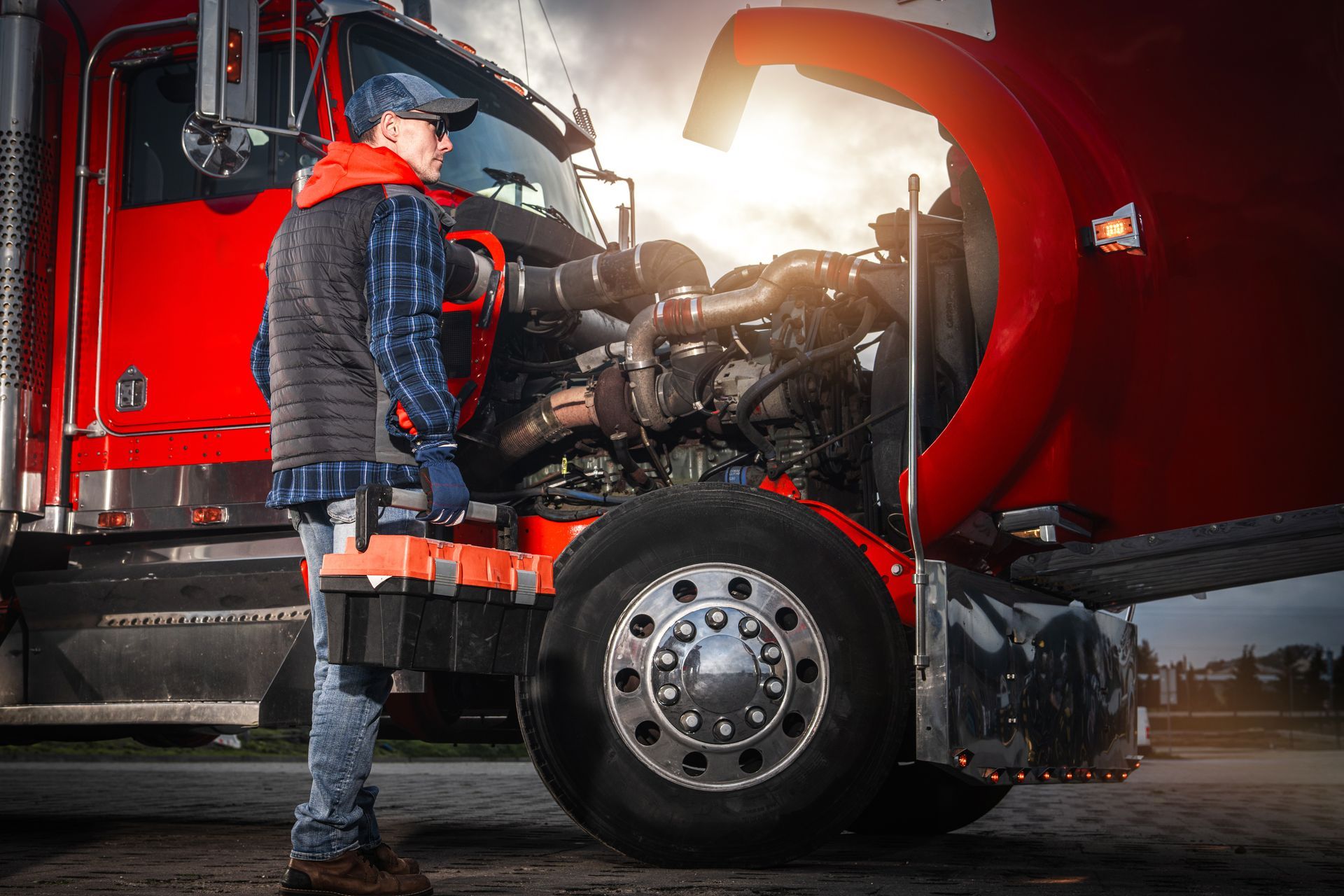
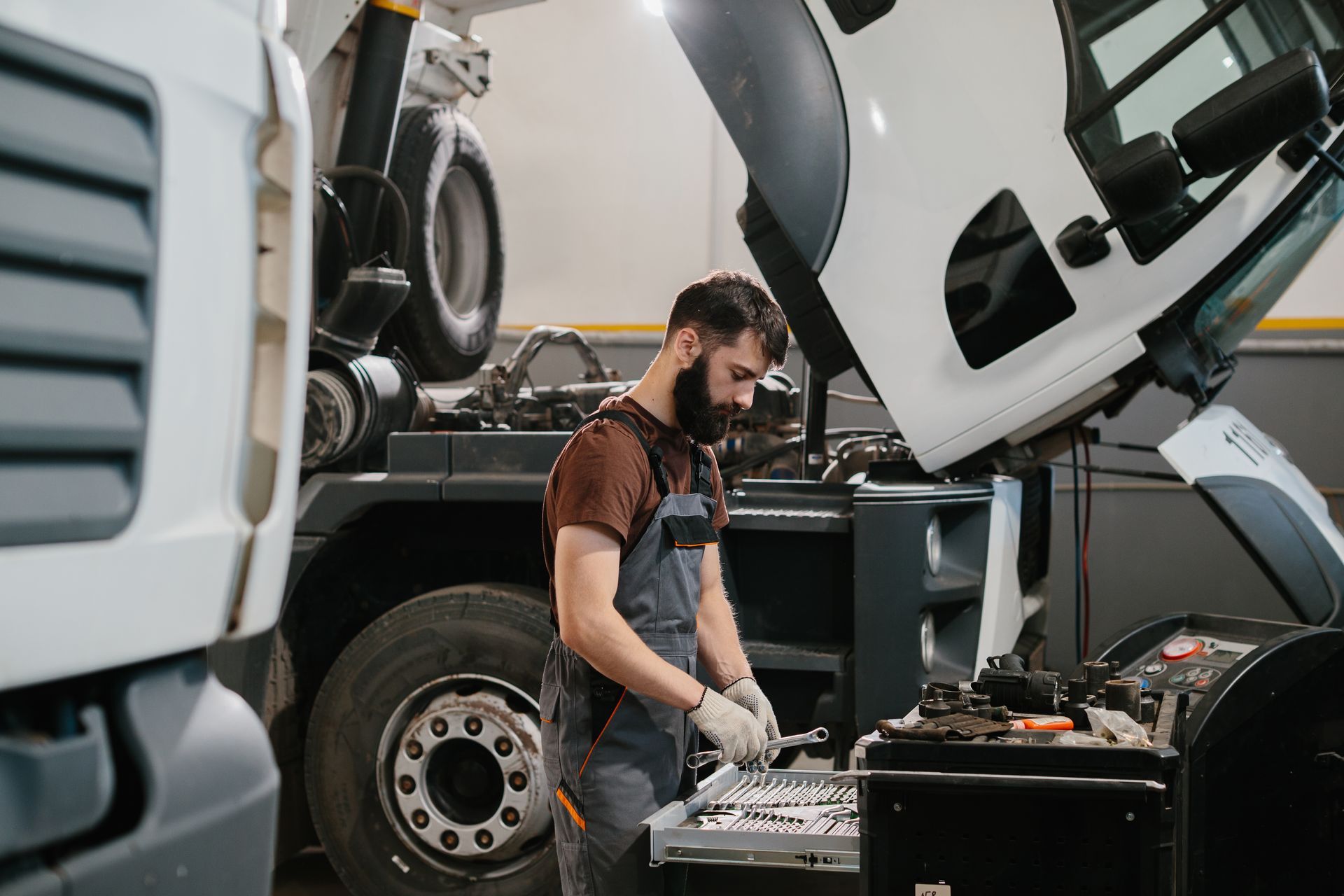
A mobile mechanic comes to your truck. When you call a mechanic a technician drives a fully equipped service vehicle directly to your breakdown location. That service truck carries diagnostic tools, common replacement parts, and equipment to handle a wide range of roadside repairs. For drivers parked on the shoulder near Exit 62 or pulled off along the Minersville Highway, this can mean getting back on the road in a fraction of the time towing would take.
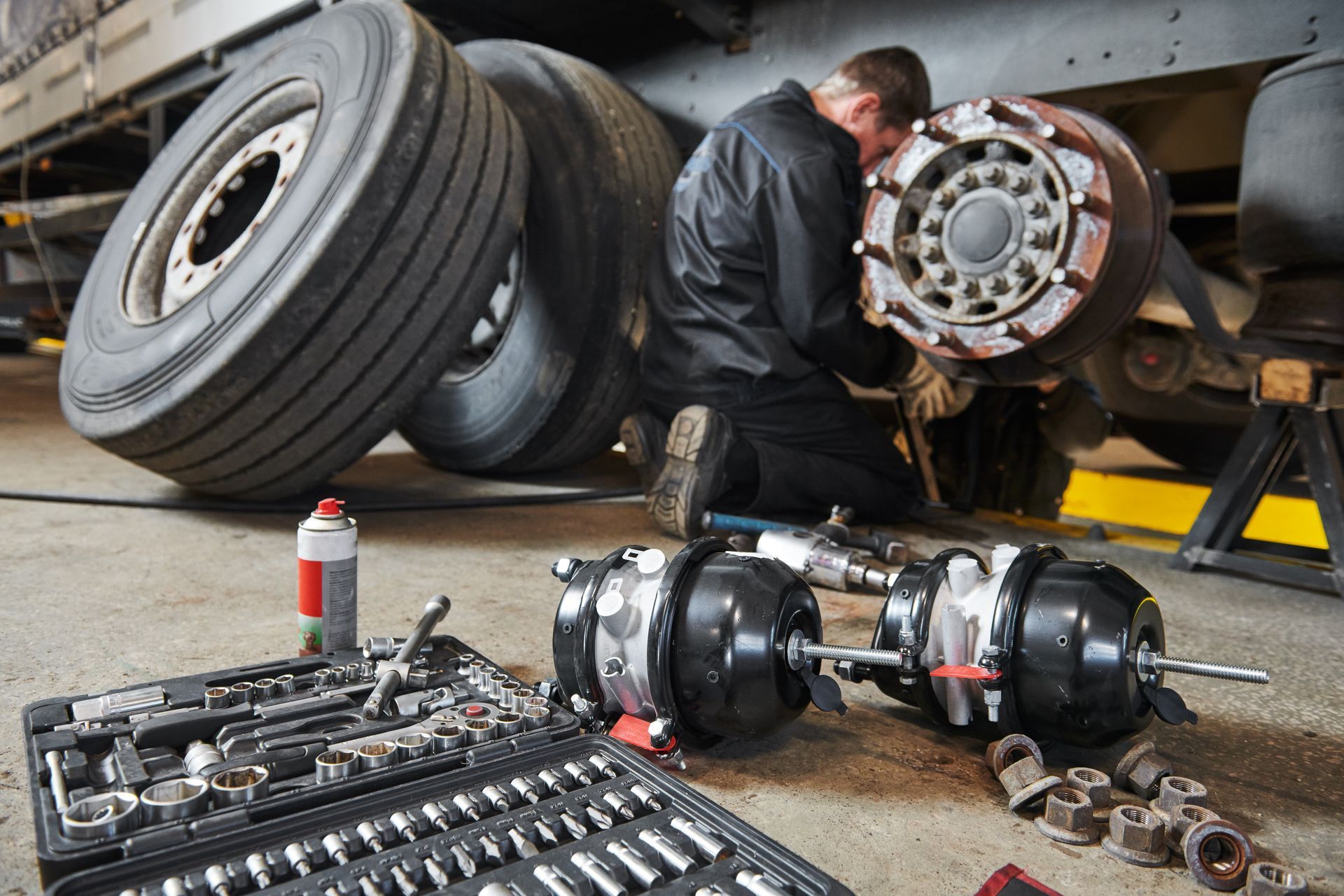
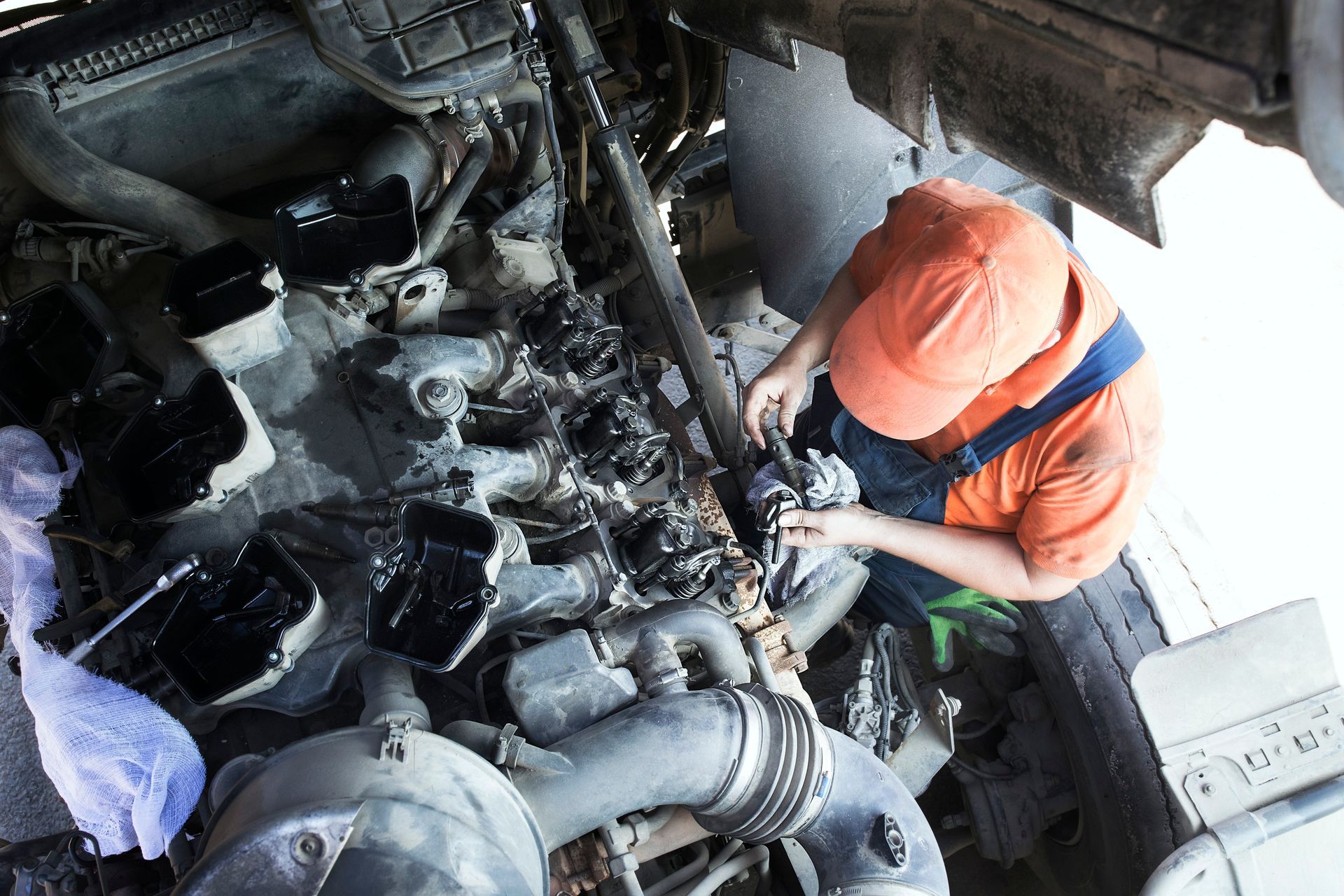
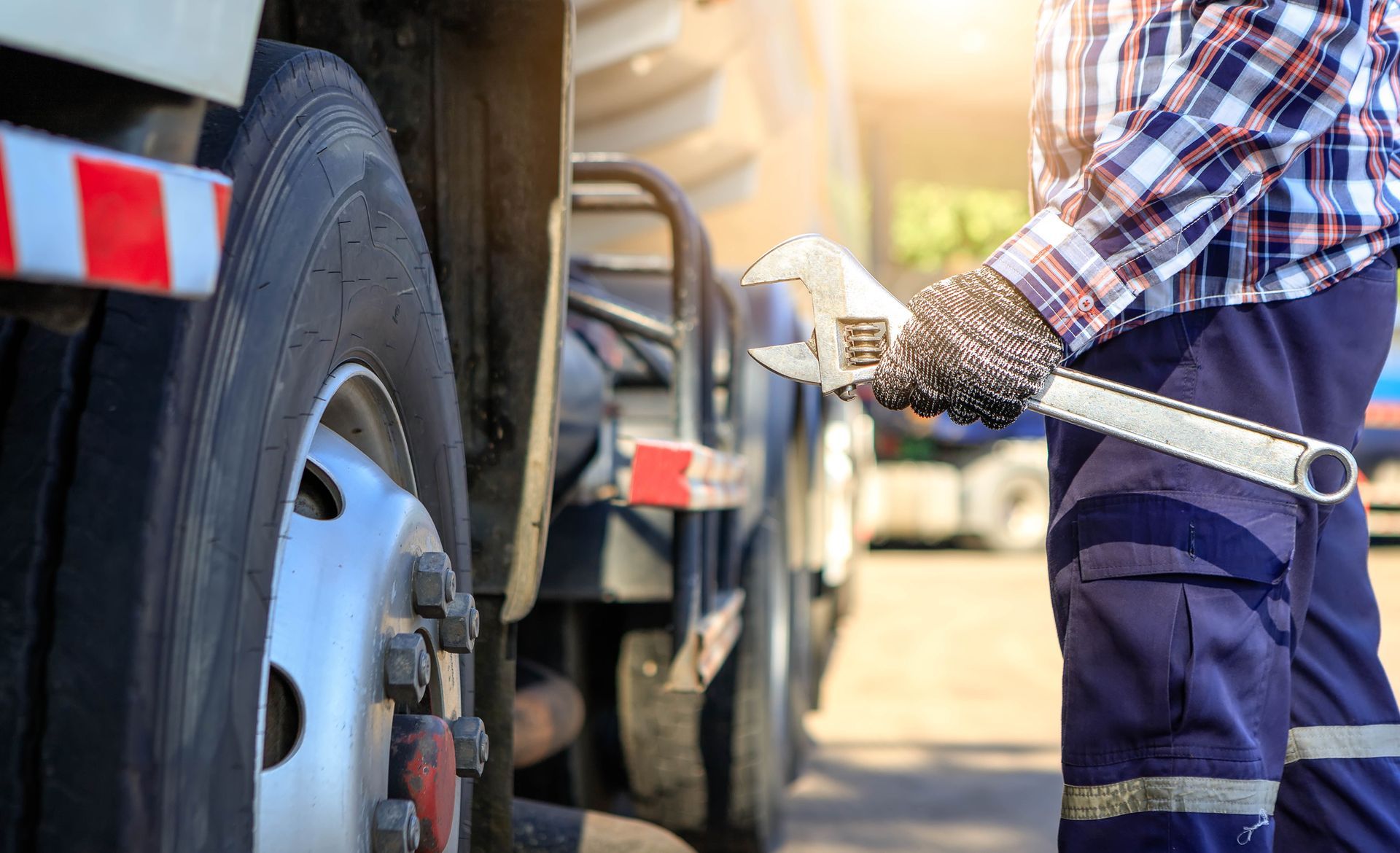
Common repairs a mobile mechanic may handle on-site include air brake issues, electrical faults, DEF system errors, DPF forced regens initiated with a laptop tool, coolant leaks and minor hose replacements, fuel system problems such as a clogged fuel filter or failed lift pump, and tire service when the unit is equipped for it.
Drivers in Enoch and Cedar City benefit from proximity to Iron County's main I-15 corridor. That access means a mobile unit can reach a stranded rig faster than waiting for a tow that then hauls the truck to a shop miles away.
Is a Mobile Diesel Mechanic Faster Than Towing to a Shop?
In most fixable breakdown situations, yes. When a truck gets towed, the process involves dispatch, tow truck travel time, the tow itself, and a shop queue. If the shop is busy, that queue could mean a same-day or next-day turnaround. A mobile diesel mechanic in Enoch, UT, skips the tow entirely if the repair can be done roadside. For owner-operators and fleet drivers on tight delivery schedules, those saved hours can mean the difference between making a load and missing it.
That said, mobile mechanics are not a substitute for towing in every situation.
When Towing Is the Right Choice
Some repairs cannot be done on the side of the road. Towing becomes necessary when the engine has suffered catastrophic internal damage, the transmission or differential requires a full rebuild, a frame or axle is damaged from a collision, the truck is blocking traffic or on a grade where repairs cannot safely be attempted, or required parts are not available locally.
On I-15 through the Enoch and Cedar City area, winter conditions can also create scenarios where a mechanic cannot safely work roadside. High winds or an icy shoulder may require a tow even for a repair that would otherwise be done on-site.
The practical rule: if the truck can potentially be fixed where it sits, start with a mobile mechanic. If damage is severe or conditions are unsafe, towing is the correct move.
What the 2026 DEF and Emissions Landscape Means for Breakdown Calls
DEF system failures have been one of the most common reasons drivers call for roadside help in recent years. In 2026, this has shifted. The EPA issued new guidance in March 2026 removing the DEF sensor requirement for model year 2026 and older diesel equipment, allowing NOx sensors instead and easing derate schedules that previously forced trucks into limp mode. Manufacturers have begun pushing updated software to existing vehicles.
For drivers near Enoch and Cedar City, an older truck with a persistent DEF fault may benefit from a mechanic who can run a software update or perform a forced regen, potentially avoiding a tow. However, Utah still enforces emissions compliance, and as of January 2026 the state added a High Emissions Heavy Duty Vehicle fee for 2009 model year and older trucks. Drivers with pre-2010 rigs should keep that in mind when weighing repair versus replacement.
The bottom line: DEF-related breakdowns may be more manageable with a skilled mobile technician than in prior years, but staying current on Utah state compliance requirements remains important regardless of federal changes.
Cost Comparison: Mobile Repair vs. Towing
Pricing varies by job, distance, and parts availability. What drivers can generally expect is that skipping the tow saves both the towing fee and the shop-queue time cost. A mobile repair that gets a truck back on I-15 within an hour or two typically delivers better overall value for fixable problems than a tow plus a shop visit. Request a free quote to compare options before making a decision at the breakdown site.
Get Back on the Road Faster: Serving Enoch and Cedar City
For drivers stranded along I-15 or the Minersville Highway through Enoch, UT, Color Country Diesel offers
roadside mobile diesel repair and emergency service for semi-trucks, trailers, RVs, and diesel pickups. When you need a mobile diesel mechanic in Enoch, UT, the team is available 24/7 for after-hours emergencies. Call
435-586-3205 or
435-590-1120 after hours.
Request emergency assistance online, or find us on Google at Color Country Diesel to get directions and read reviews from drivers across southern Utah.