When a truck breaks down near Enoch, UT, the first few minutes determine your safety and how fast you get back on the road. Whether you need 24-hour truck repair in Enoch, UT, or are waiting on a mobile diesel mechanic along the I-15 corridor, the steps you take right now matter. This guide covers safe pull-over procedures, DOT hazard requirements, what to have ready when you call, and how to use your wait time well.
Step One: Get the Truck Safely off the Road
Steer your rig as far right as possible onto the shoulder or emergency pull-off. If you are near the Cedar City interchanges at exits 57 or 62, try to reach the off-ramp before stopping if it is safe. The I-15 corridor through Iron County carries heavy commercial traffic at highway speeds, making the travel lanes extremely dangerous.
Once stopped, set your parking brake and put the transmission in park or leave it in gear if manual. Do not exit the cab until your warning devices are in place.
Activate Hazard Lights and Place Warning Triangles Immediately
Utah law requires commercial vehicles to activate hazard warning lights as soon as they stop on a roadway or adjacent shoulder. Trucks, truck-tractors, trailers, or semitrailers 80 inches or more in overall width must actuate hazard warning lamps immediately upon stopping. Federal DOT regulations also require drivers to deploy reflective triangles within 10 minutes. Place one triangle within 10 feet of your rig at the front and rear, and a third roughly 100 to 200 feet back in the lane of traffic. On a divided highway like I-15, all three may be placed behind the vehicle.
These steps protect you and every driver passing at 70 to 80 mph.
What Information to Have Ready for a Diesel Mechanic
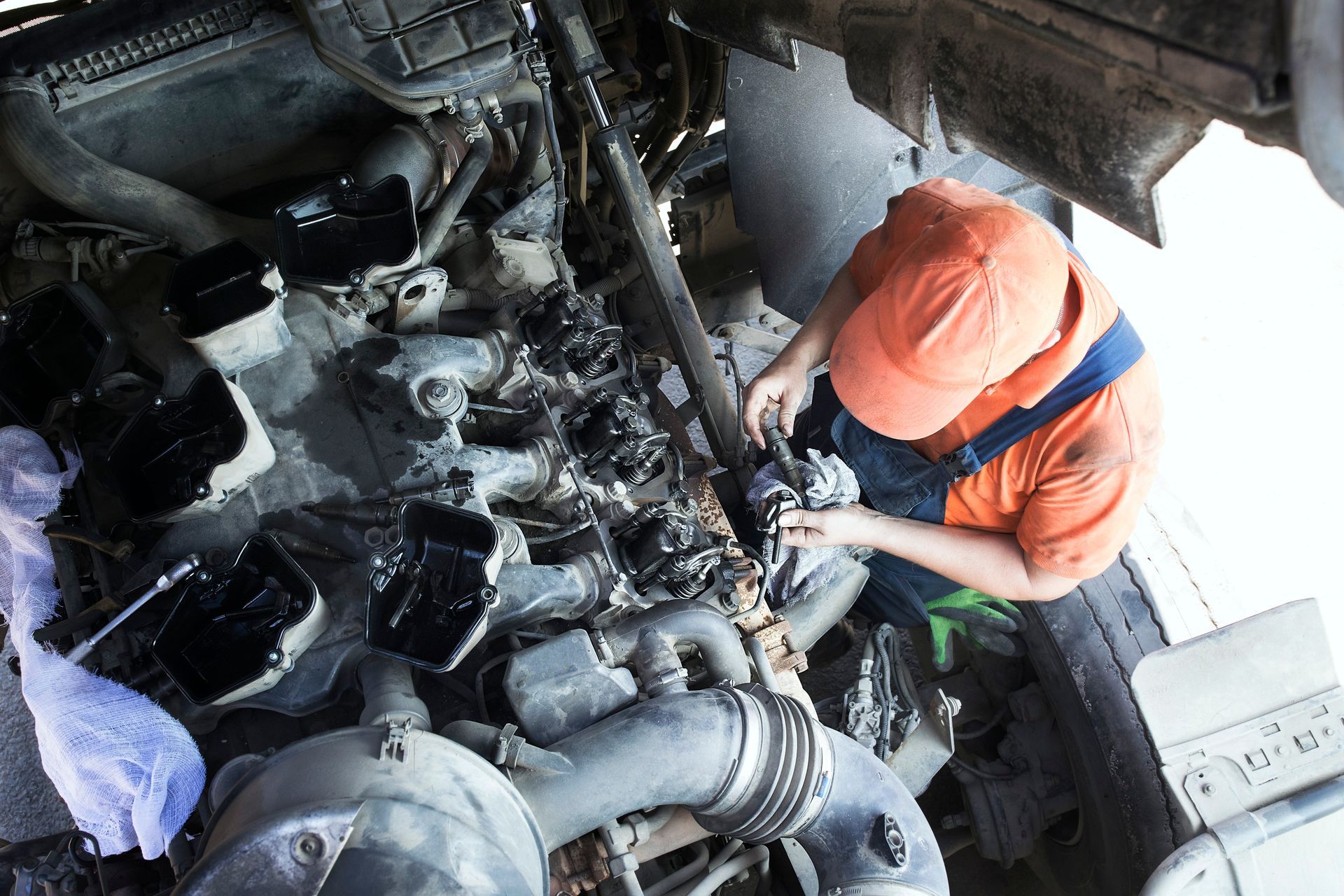
A mobile diesel technician can often diagnose and repair your truck on-site, but they work faster when you have the right details ready. Before you call for 24-hour truck repair in Enoch, UT, gather the following: your exact location by mile marker or nearest exit; direction of travel; year, make, model, and VIN of your truck; a brief description of the problem; whether your load is hazardous material; and your DOT number and carrier name if operating under a fleet. Having this ready means the mechanic can bring the right tools and parts, cutting your time on the shoulder.
It also helps to describe what happened just before the truck stopped: any warning lights on the dash, unusual noises, loss of air pressure, smoke, or a change in how the rig handled. Note whether the engine still cranks, whether the truck lost power gradually or all at once, and roughly how much fuel is in the tanks. Those details often point a technician toward the likely cause (fuel delivery, air system, electrical, or cooling) before the service truck even arrives, which shortens the diagnostic time once it does.
Should I Call My Dispatcher or the Mechanic First?
Call for roadside help first, then notify your dispatcher. Every minute counts on a busy interstate. Once a mobile mechanic is en route, update your dispatcher with an estimated wait time.
What if I Am Hauling Hazardous Materials?
If you are transporting hazmat cargo, inform the mechanic and any emergency responders of the cargo type immediately. Keep your shipping papers, placards, and current annual inspection report accessible in the cab. Failing to produce those documents during a roadside incident is a federal violation.
Staying Safe While You Wait in Southern Utah
The area around Enoch and the I-15 corridor through Iron County presents unique challenges. Summer heat can exceed 100 degrees, making the cab dangerous if the engine is off. In winter, elevation through southern Utah brings snow and ice quickly, reducing visibility and increasing risk from passing traffic. Stay in the cab with your seatbelt on whenever possible. If you must exit, move to the non-traffic side and stay behind a barrier or guardrail.
Monitor UDOT's traffic advisory channels for incident alerts on your stretch of highway. The Utah DOT Incident Management Team patrols key corridors and can assist with basic needs while you wait.
How to Make the Most of Your Wait Time
Once you have called for 24-hour truck repair in Enoch, UT, use the wait productively. Complete required HOS log entries for the breakdown stop. Photograph the truck, warning device placement, and any visible damage for your records. Contact your broker or customer with an updated ETA so freight delays can be managed early. Review your breakdown coverage or motor club membership to confirm what costs may be covered. Organized documentation now saves time at the shop later.
Get Back on the Road with Color Country Diesel
A breakdown near Enoch, UT, does not have to mean hours of uncertainty.
Color Country Diesel
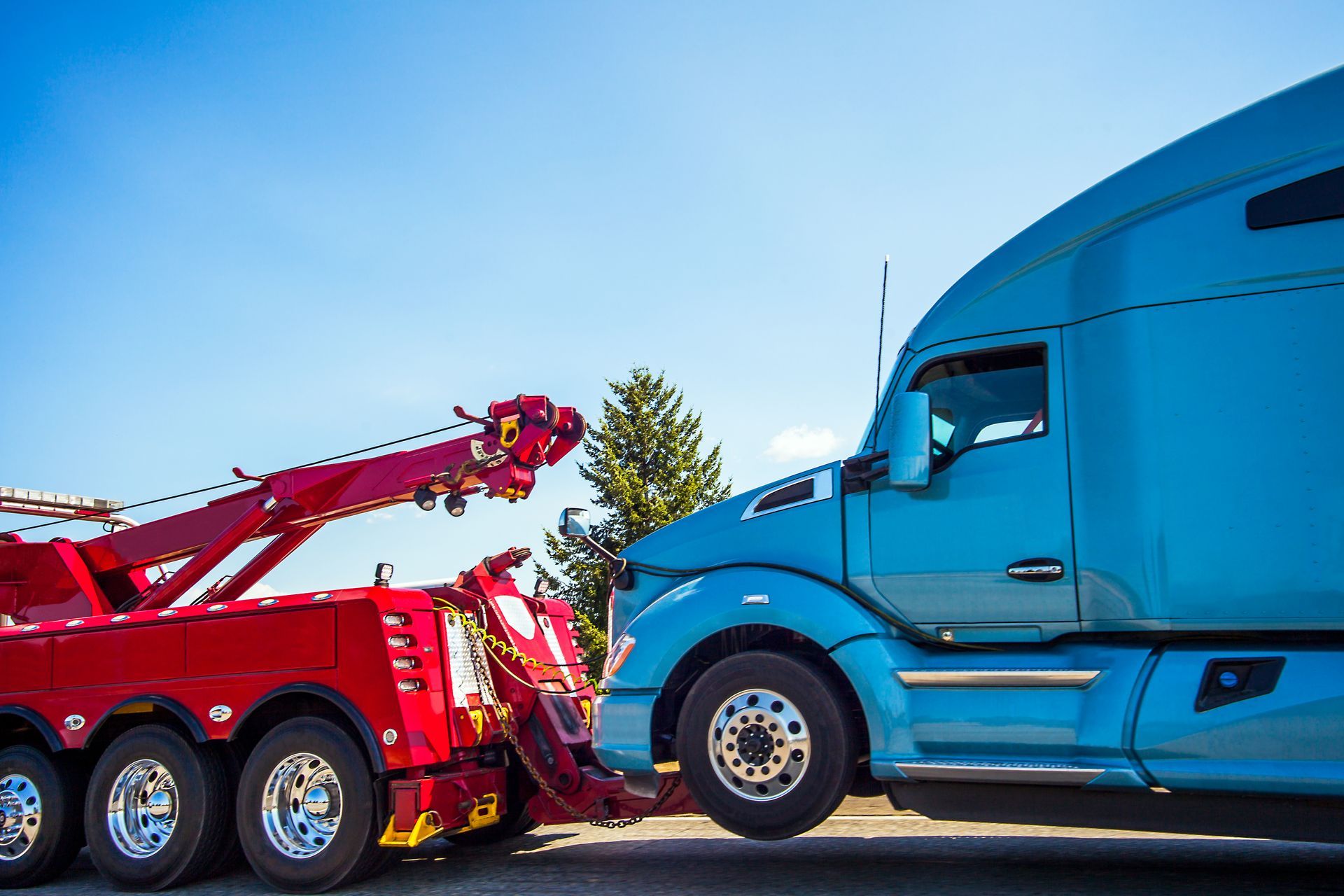
provides 24-hour truck repair in Enoch, UT, and the surrounding Iron County area, dispatching mobile diesel mechanics to your location day or night. The team handles engine diagnostics, brake repairs, tire service, fuel system issues, trailer repairs, and heavy-duty towing for semis, RVs, and diesel vehicles of all types.
Call the shop line at
435-586-3205 during business hours or reach the after-hours emergency line at
435-590-1120 any time, day or night. You can also submit a
service request online or learn more about
emergency semi-truck repair to know what to expect when help arrives. Call now and get a technician headed your way.